
8–12 June 2026 | Umeå University, Sweden
In June 2026, Umeå University hosted the NDP-VIP course on Mosquito-Borne Pathogens and Their Vectors, bringing together a diverse group of doctoral students and early-career researchers from across Sweden and Europe for an intensive week of learning, practical training, and scientific exchange.
The course attracted participants from several Swedish universities and institutes, including Umeå University, the University of Gothenburg, the Swedish University of Agricultural Sciences (SLU), and the Swedish Veterinary Institute (SVA). International participants joined from Finland, Norway, and Germany, creating a highly interdisciplinary and international learning environment.
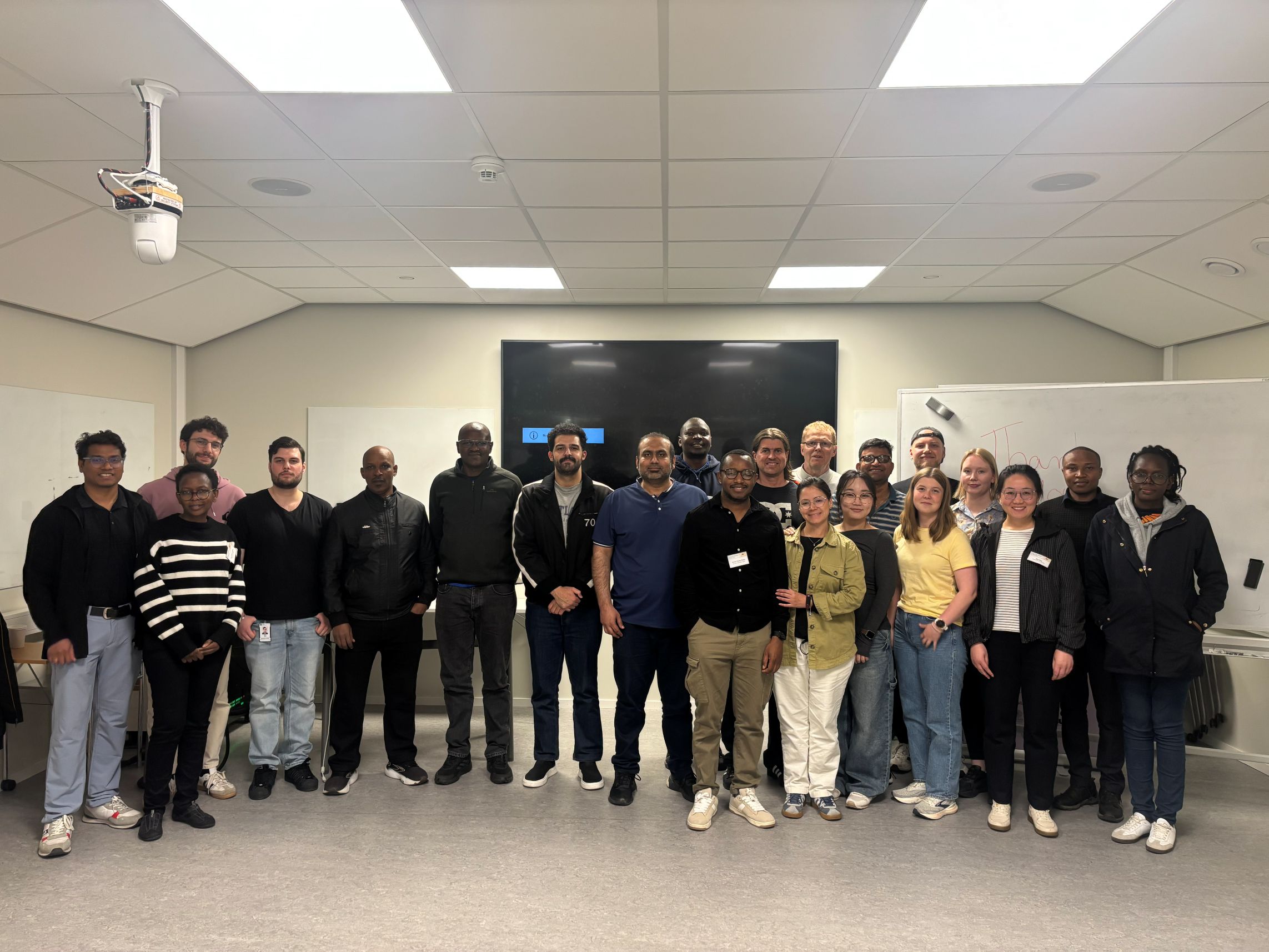 Group photo of the participants attending the Mosquito-Borne Pathogens and Their Vectors course in June 2026. Photo by Louise Lindbäck.
The course lecturers reflected the international nature of vector-borne disease research, bringing together experts from Sweden, Norway, Germany, Kenya, and Senegal. Through lectures, discussions, and interactive sessions, participants explored key topics including mosquito biology, pathogen transmission, vector surveillance, diagnostics, disease ecology, and integrated vector management strategies.
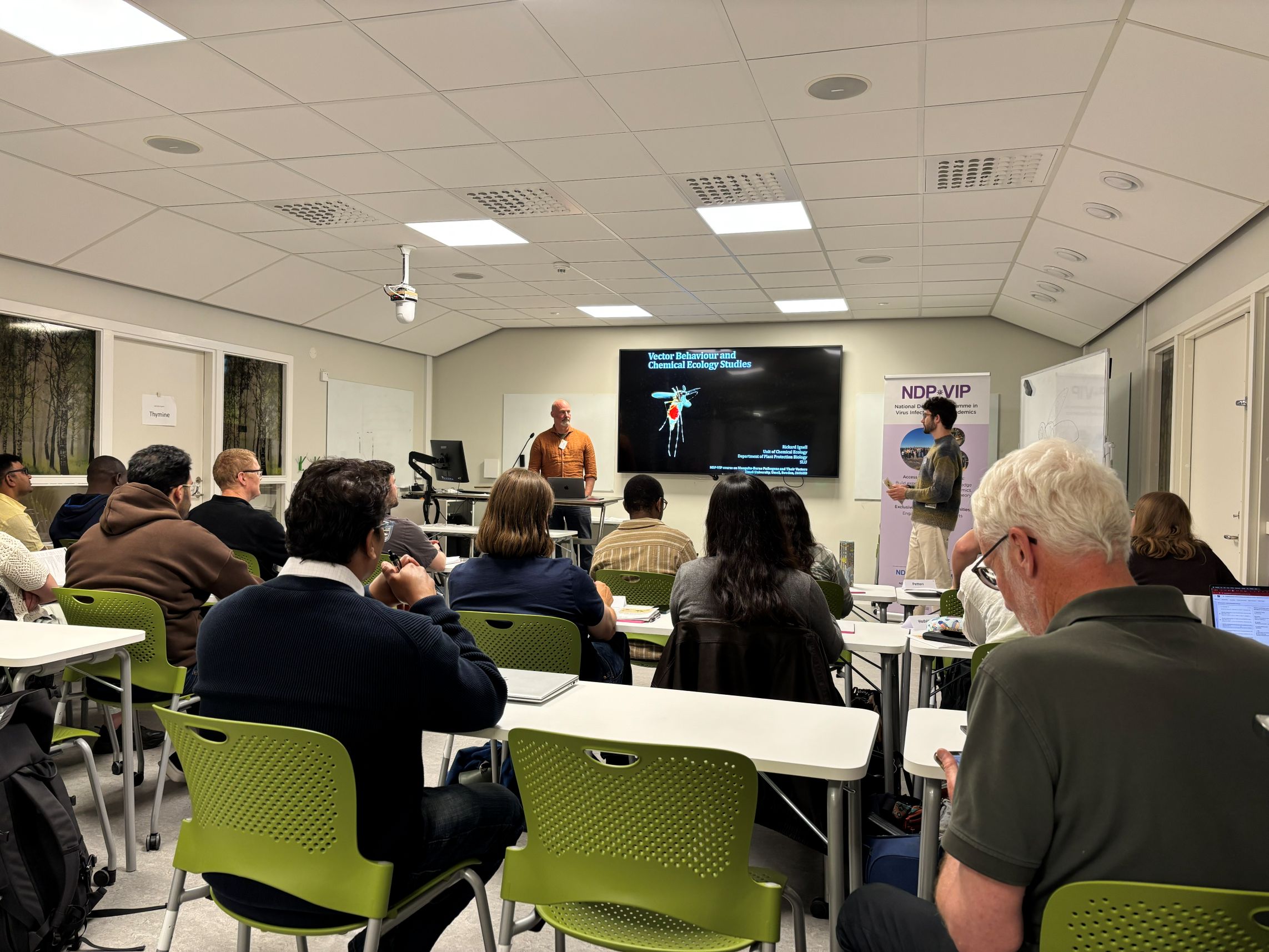 Lecture on “Vector Behavior and Chemical Ecology Studies” given by Rickard Ignell, Swedish University of Agricultural Sciences, Sweden. Photo by Louise Lindbäck.
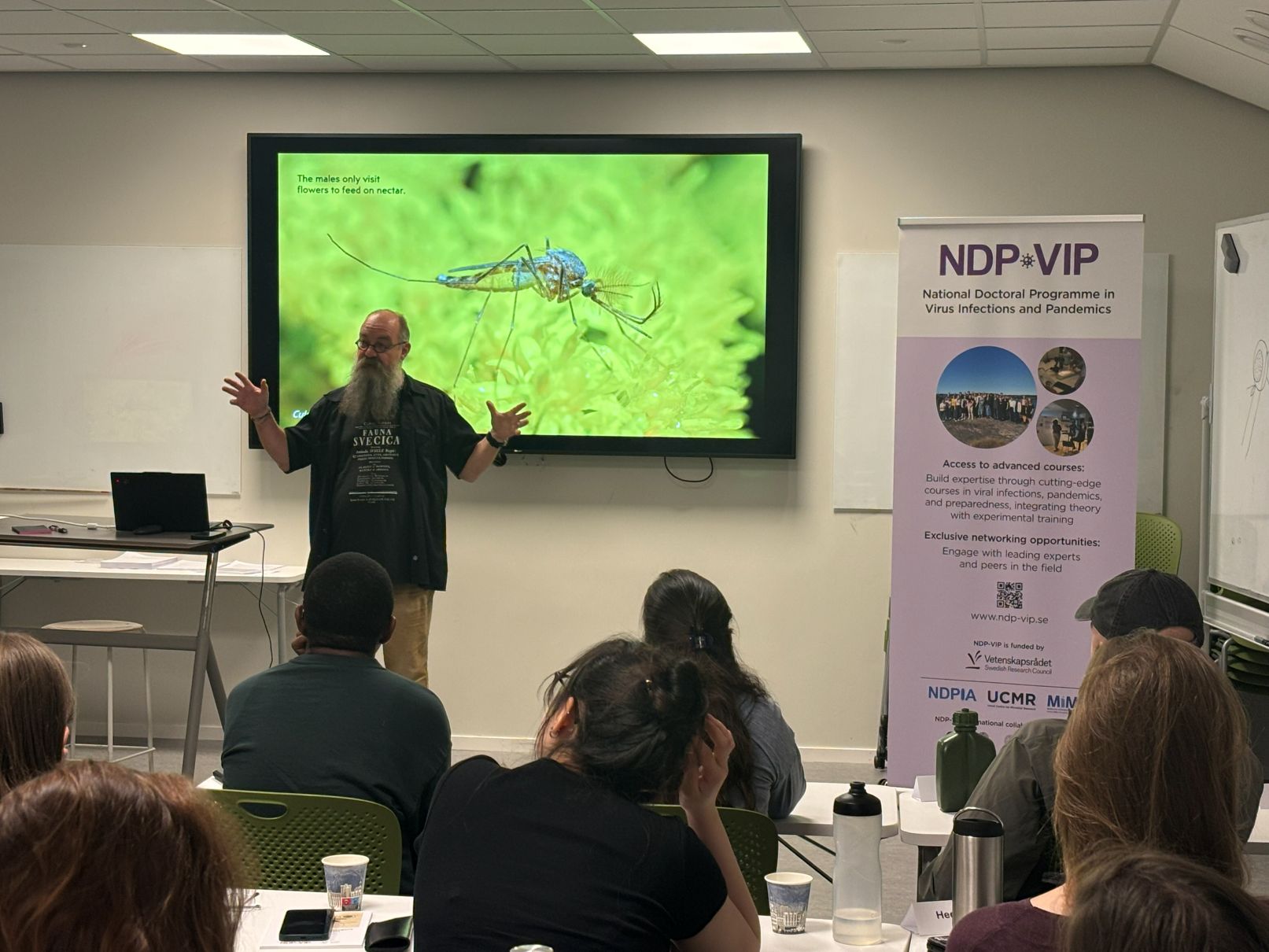 Lecture on “Swedish Mosquitoes” given by Anders Lindström, Swedish Veterinary Agency, Sweden. Photo by Louise Lindbäck.
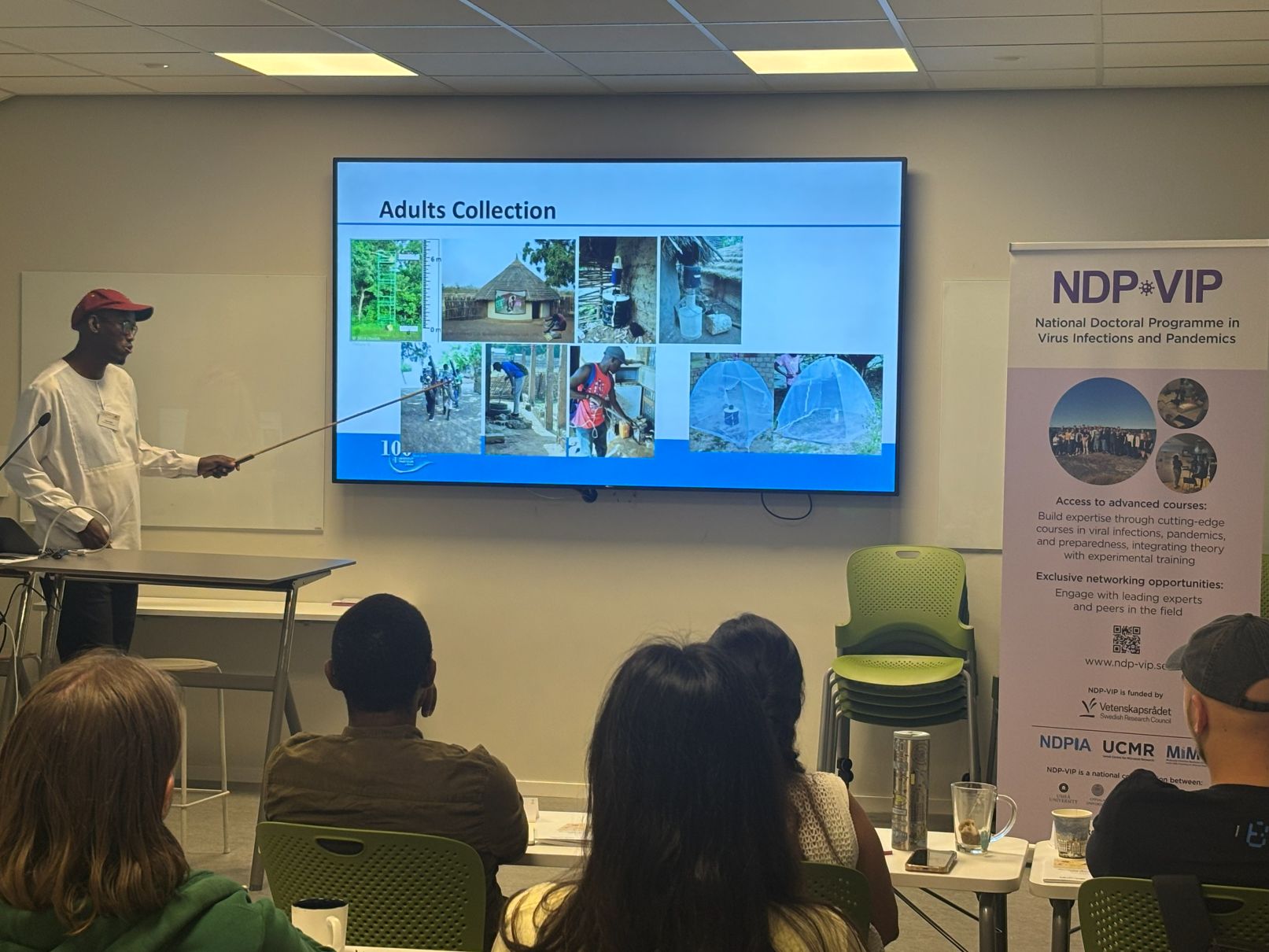 Lecture on “Past, Present and Future Projections of Arbovirus Situation in West Africa” given by Diawo Diallo, Institut Pasteur de Dakar, Senegal. Photo by Louise Lindbäck.
A major strength of the course was its strong emphasis on practical training. Participants took part in fieldwork to collect mosquitoes and gained hands-on experience with surveillance methods commonly used in vector monitoring programs. In the laboratory, they worked with collected specimens and learned mosquito species identification techniques, providing valuable insight into the practical challenges associated with vector surveillance and research.
By combining lectures, field exercises, laboratory sessions, case studies, and poster presentations, the course provided participants with both a solid theoretical foundation and practical skills. Equally important, it fostered national and international networking opportunities among researchers and professionals working at the intersection of virology, entomology, epidemiology, veterinary medicine, and public health.
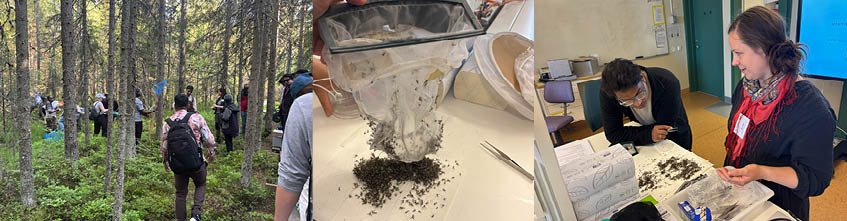 The course included a field trip during which mosquitoes were collected and subsequently used in a practical exercise on mosquito species identification.
To view the full course program, please visit: Mosquito-Borne Pathogens and Their Vectors | NDP-VIP
Special thanks to the organizing committee:
Olivia Wesula Lwande, Umeå University, Sweden
Kiran Dhobale, Umeå University, Sweden
Côme Morel, Umeå University, Sweden
Annasara Lenman, NDP-VIP National Director, Umeå University, Sweden
Louise Lindbäck, NDP-VIP Project Coordinator, Umeå University, Sweden